
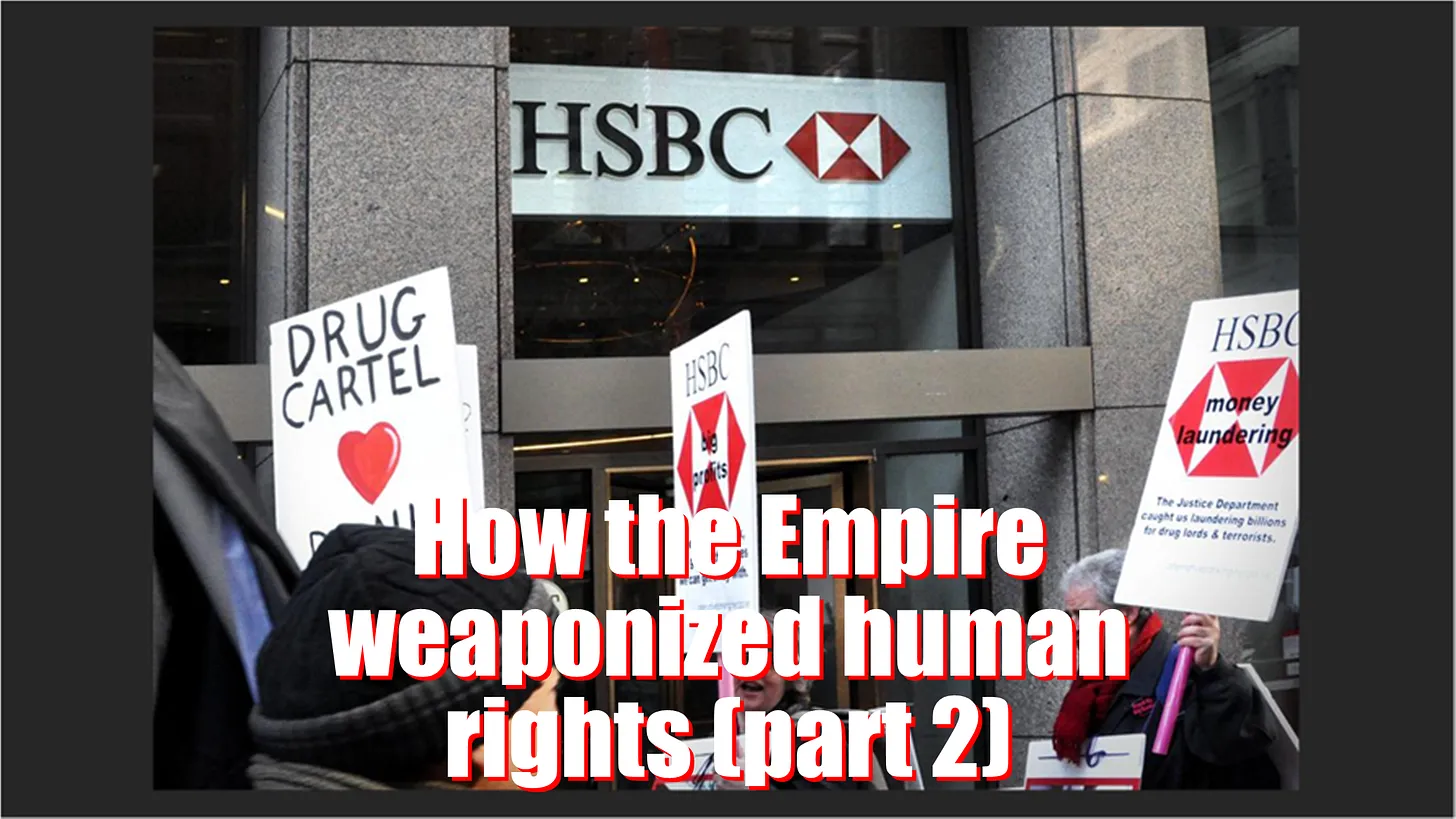
Multinational banks, organized crime and “human rights/social justice” complex have formed a formidable army waging war on sovereign nations and humanity. USA is their target #1!
In Part 1 of this report, we looked at the events in Minnesota in December 2025 and January of this year. The Federal Government moved to crack down on illegal immigration and the extensive organized crime network in which Somali immigrants acted as foot-soldiers, looting as much as $8 billion from the American taxpayers.
But rather than welcoming Federal help in restoring law and order, the state and local governments, together with the NGOs mobilized the “Human Rights” warriors who emerged in large numbers, creating a human shield between the Federal forces and organized crime groups. A remarkably similar episode played out some ten years ago in Mexico. We’ll explore that story in today’s report.
The mob, the bankers and the intel agencies
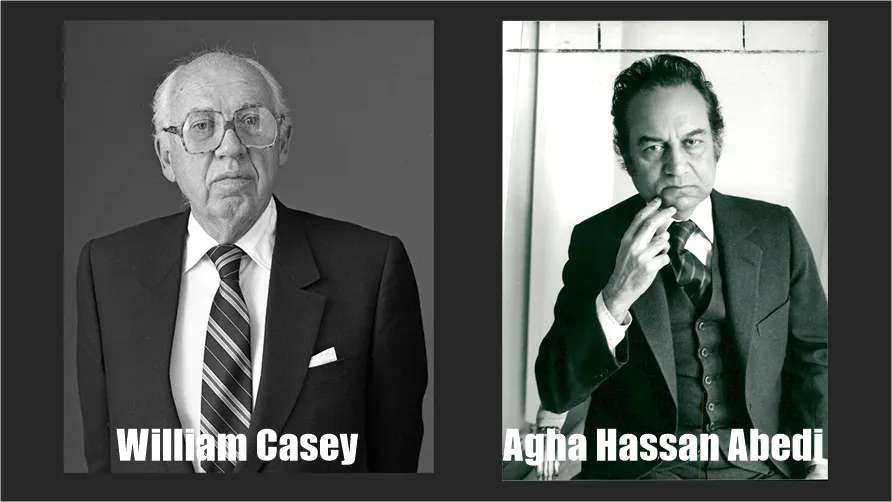
Bankers often work with intel agencies like MI6, Mossad and the CIA to set up and organize drug cartels, smuggling networks and other types of organized crime groups. For example, in the 1980s, CIA’s chief William Casey worked closely with Agha Hasan Abedi, the head of the BCCI (Bank of Credit and Commerce International) to facilitate the financing and trade of weapons and trafficking of heroin from Pakistan and Afghanistan.
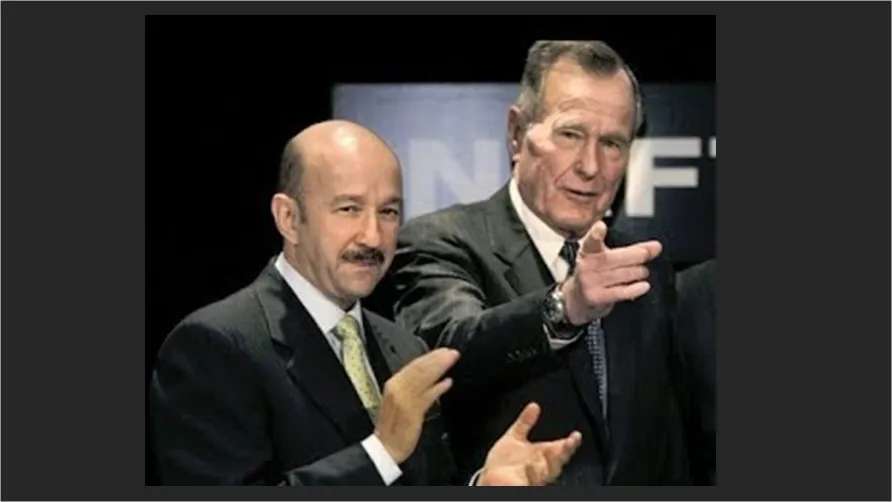
In the late 1990s, Bush family cultivated a close business and personal relationship with the drug cartel kingpin Raul Salinas de Gortari. Raul was the brother of the President of Mexico, Carlos Salinas de Gortari – the same President who privatized Mexico’s banks in 1991/92 and implemented the reforms that granted Mexico’s central bank its independence.
The case of HSBC
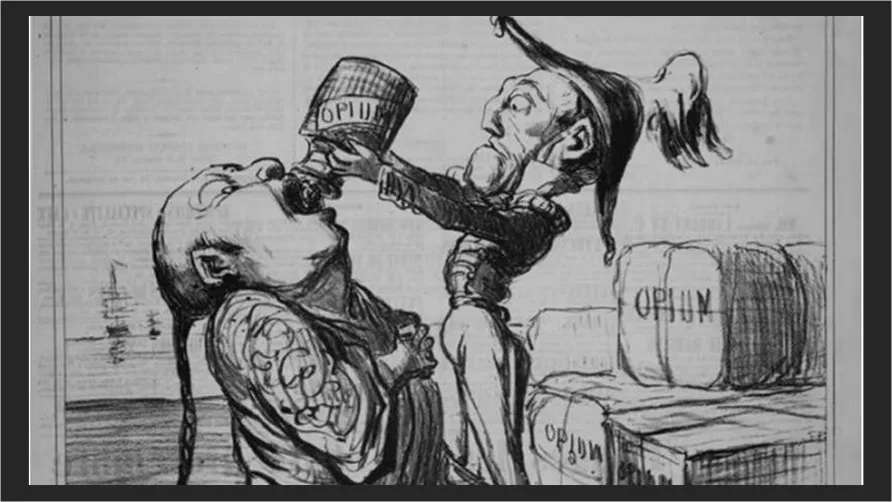
HSBC had a storied participation in drug money laundering business since the beginning of Opium Wars in China in the early 1840s.
They entered Mexico in 2002 with the acquisition of the Bital bank and wasted little time to develop the same business with the Mexican drug cartels. That business would lead to a major scandal for the bank only a decade later. HSBC’s role in laundering cash for the cartels and funding terrorist organizations around the world was exposed in a 2012 Congressional investigation and covered in John Titus‘ superb documentary “All the Plenary’s Men.”
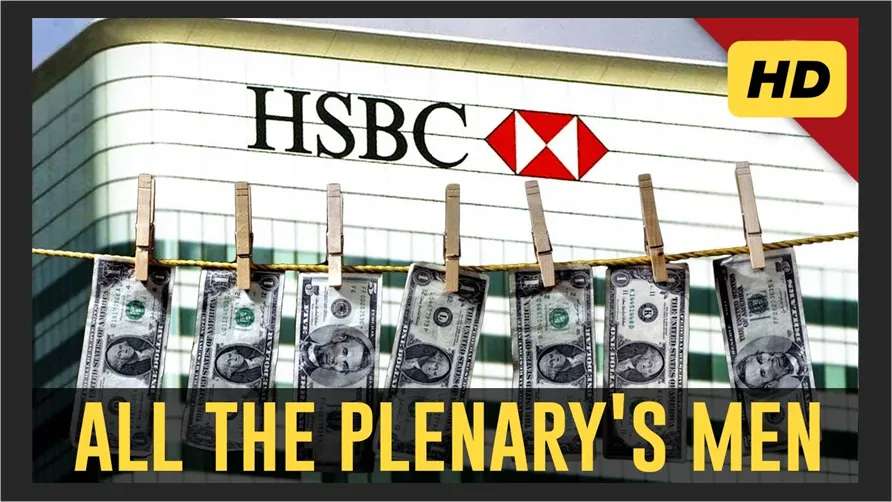
As the case revealed, HSBC had to admit to having laundered at least $881 million just for the Sinaloa drug cartel. In spite of that, none of HSBC executives faced prosecution, and the bank itself was fined $1.9 billion, a sum that may sound large, but it represented less than 3% of the bank’s revenues in 2012. This case gave us another important revelation in exposing the bank’s political power: in cooperation with the British Foreign Office, HSBC was able to control its own prosecution and strong-arm the Obama administration to void American laws, dictate the terms of the DOJ’s Deferred Prosecution Agreement and let the bank off with a parking-ticket.
Of course, HSBC wasn’t the only bank engaged in laundering drugs money in Mexico and elsewhere around the world. Many large banks, usually the Global Systemically Important Banks, or GSIBs like Deutsche Bank, UBS, Citigroup, ING, Danske Bank, Credit Suisse, Wells Fargo, Societe Generale, TD Bank and BMO all got caught red-handed working with organized crime and laundering billions of dollars for terrorist organizations and drug traffickers, enabling their criminal activity and empowering their organizations.
Mexico goes to war against the cartels
The growing power of drug cartels and supporting gangs eviscerated law and order in Mexico and crippled the government’s social and economic policies. On the 1st of December 2006, Felipe Calderón took over the Mexican presidency, determined to destroy the cartels. Only ten days into his presidency, he launched the Operation Michoacán (Operativo Conjunto Michoacán), sending approximately 6,500 Mexican Army soldiers to his home state of Michoacán to combat the cartels.
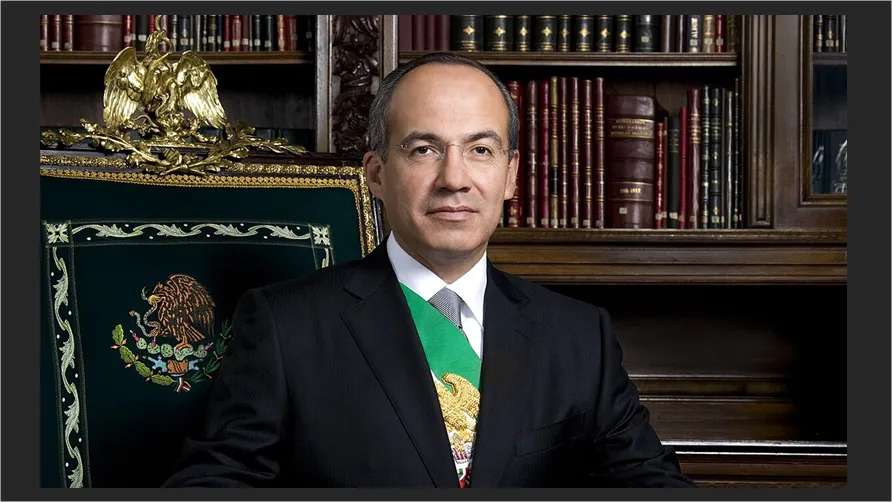
The war quickly escalated and expanded nationwide, involving up to 96,000 troops in joint operations involving the Army, Navy, Federal Police, and other agencies to target cartel leaders, dismantle operations, seize drugs, and conduct raids. Deploying the military against drug cartels initially had strong public support and achieved some success. With time, however, the war became controversial because of its violence and objections about “human rights” started to get increasingly louder.
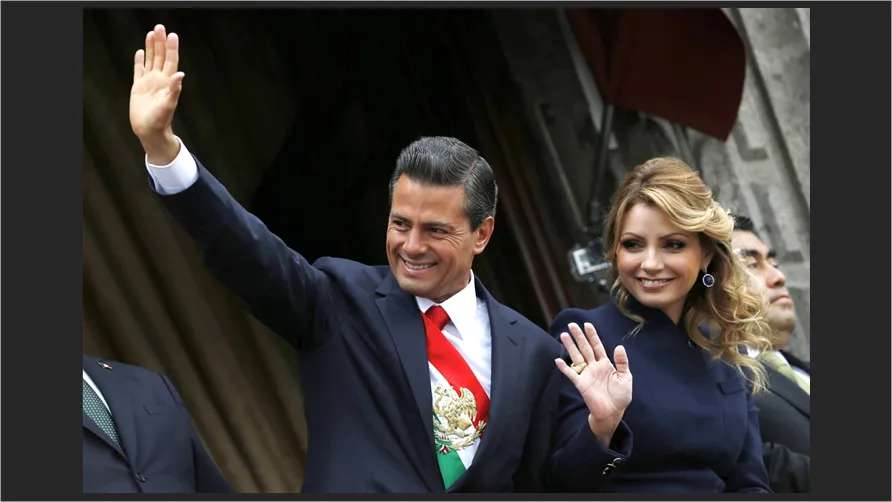
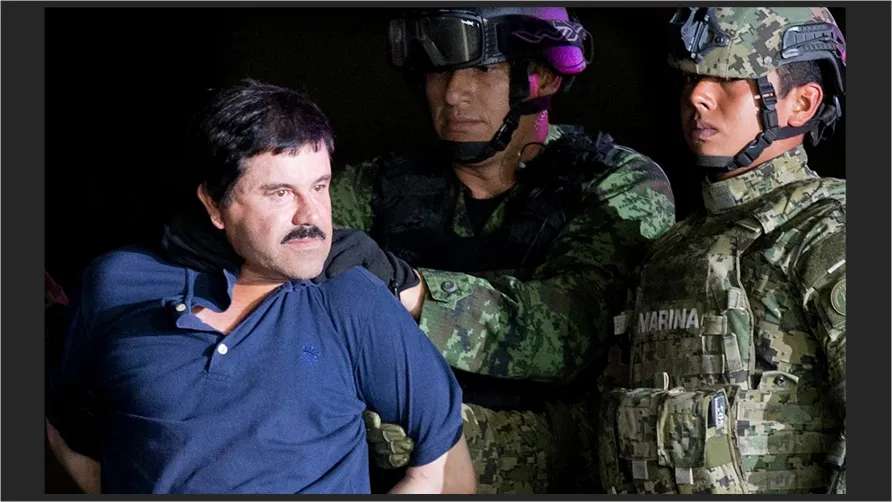
In 2012, Felipe Calderón was succeeded by Enrique Peña Nieto who continued the struggle but sought to reduce the violence of head-on confrontations with the cartels. Nonetheless, Mexican armed forces and federal police, in cooperation with U.S. authorities remained heavily engaged in the struggle against the cartels. The “kingpin” strategy resulted in a number of high-profile captures, most notably the 2014 capture of the notorious Sinaloa cartel leader, Joaquín “El Chapo” Guzmán. Guzman was able to escape, but was recaptured once more in 2016.
The empire strikes back
If Mexico’s government were able to completely defeat the cartels and restored law and order, they would also have destroyed the extremely lucrative drugs trade, and that couldn’t be allowed and the nexus of cartels, banks and intel agencies took steps to protect their business. Of course, overtly taking the side of organized crime against the nation’s legitimate government would be impossible. Instead, a much more clever, indirect strategy was implemented.
As the Calderón and Peña Nieto administrations inflicted damage on the cartels and began to eliminate their kingpins, they were increasingly attacked with accusations over violence and human rights violations. Soon, the same institutions of international finance that advised President Carlos Salinas on bank privatizations would mobilize a massive human shield of progressive human rights and social justice warriors, effectively protecting the cartels from the government.
IMF forces structural reforms in Mexico
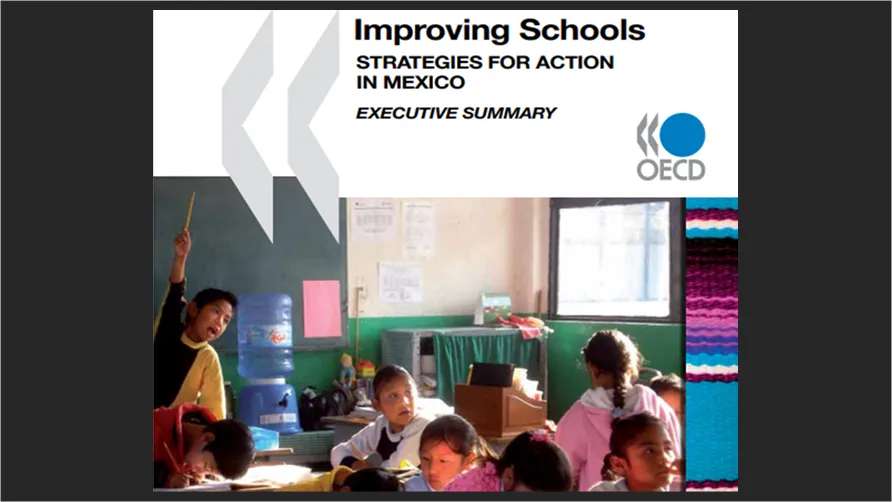
In 2012, the International Monetary Fund stepped in to pressure President Peña Nieto to implement “structural adjustments,” which included a radical education reform. The resulting “OECD-Mexico Agreement to Improve the Quality of Education in Schools of Mexico,” directed by the World Bank, International Monetary Fund, and Inter-American Development Bank, opened Mexico’s education sector to private investors. This proved highly unpopular and provoked a cascade of teacher protests and mass firings of teachers.
Teacher protests escalate
On May 19, 2016 Mexican Education Minister fired 3,000 teachers from Oaxaca, Guerrero, and Michoacán after they failed to show up for work during three days of their protest. Recall, Michoacán was the ground zero of Felipe Calderon’s war on drugs. The situation conflict between the government and the teachers escalated to the point of clashes as the teachers set up camp in front of government buildings and blockaded local roads and highways.
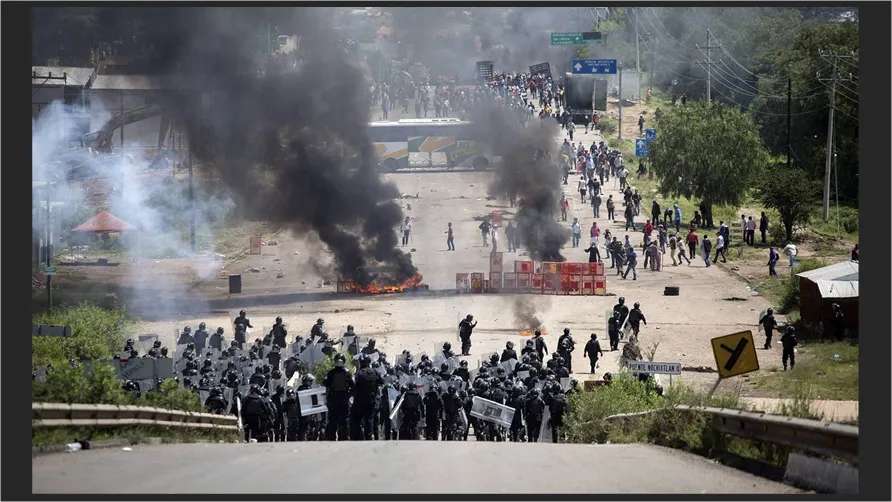
On 19 June 2016, Federal and state police attempted to clear the road blockades, resulting in four hours of violent clashes. Eleven people were killed and 108 were injured, of which 53 were civilians and 55 were policemen. None of the casualties were teachers. Instead, they were individuals who had gone out to support the teachers—parents, students, peasants who joined the protests when police violence escalated.
By now, this should sound familiar to those with a sufficient attention span to remember last month’s protests in Minnesota.
Activating the human rights crusaders
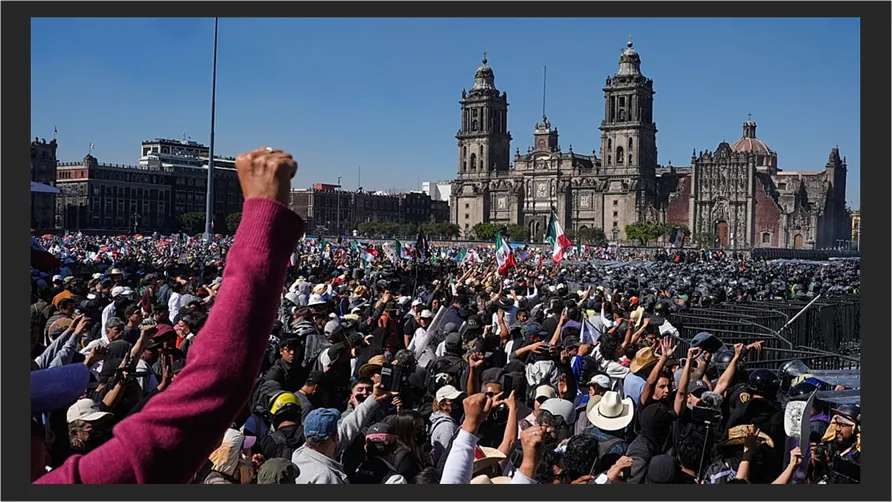
The clashes between government forces, the teachers and their supporters triggered a firestorm of protests that rapidly spread throughout Mexico. In Mexico City, students at the country’s largest college—the National Autonomous University of Mexico—announced a student strike in support of teachers and in opposition to state crackdown. Demonstrations of hundreds of teachers took place across the country, including in Acapulco, Chiapas, Morelos, Hidalgo, Monterrey, Merida, Veracruz, and Baja California Sur.
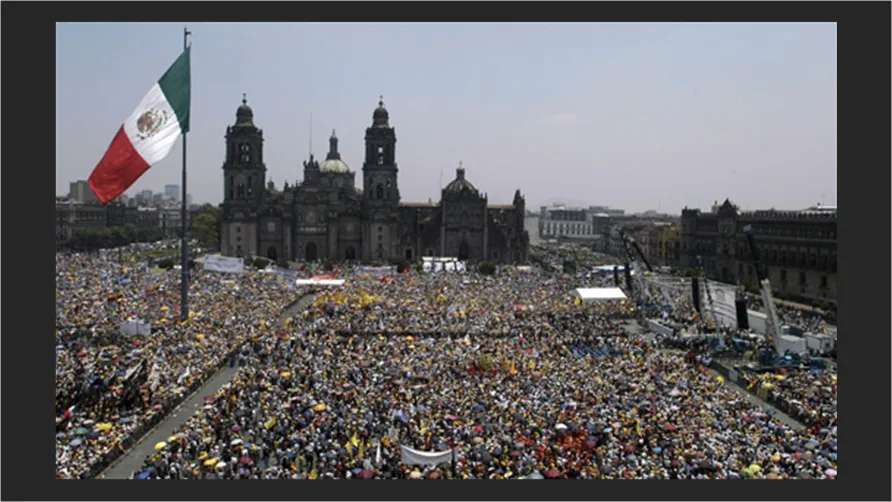
On 17 June, some 1 million doctors and nurses marched through the capital linking teacher resistance to health workers’ fight against privatization. A week later, another protest drew 25,000 people. Soon, their cause gained support beyond Mexico: in New York and Chicago, teachers picketed Mexico’s consulates in solidarity with their Mexican colleagues
On 27 June 2016, teachers and supporters in Chiapas blocked the Pan-American Highway in Tuxtla Gutierrez. The headquarters of the municipal government was burned by angry residents, denouncing President Peña Nieto and his government.
International Condemnation
Suddenly, the cause of Mexican teachers became a global crusade: hundreds of academic, religious, popular, student, human rights and social justice organizations around the world signed a document that condemned the “brutal repression” of Mexican teachers by their government. National Commission of Human Rights (CNDH) and Amnesty International joined in these condemnations, demanded investigations and accused the government of the use of excessive force.
United Nations’ Special Rapporteur on Extrajudicial, Summary or Arbitrary Executions Christof Heyns also accused the Mexican government of “Extrajudicial executions and excessive use of force by security agents.” Ultimately, the Peña Nieto government’s war against the cartels was throttled and today, ten years since those events the cartels not only survived but became stronger, more powerful and more wealthy than before. President Trump was not exaggerating when he said that Mexico’s current President, Claudia Sheinbaum is afraid of the cartels. Human rights were indeed defended, only not those of the Mexican people.
Was the education reform a Trojan horse?
Teacher protests in Mexico were triggered by legitimate grieances, but it would appear that they were soon swelled by many “supporters,” some of whom came out to antagonize and provoke the government’s law enforcement officers. Almost as soon as a violent incident happened, protests erupted all over Mexico and across the Western world. It’s almost as if there was an organized network of do-gooder NGOs always ready to mobilize around progressive causes and defend human rights.
However, none of these well-intentioned organizations seem to ever mobilize against organized crime, drug cartels or money laundering banks even though their activities cause more than a thousand-fold more casualties every year. Around the time of Mexican teacher protests, the rates of homicide in gang related violence was reaching extreme levels that otherwise only afflict countries at war. Mexico’s Executive Department of the National System of Public Safety recorded 35,955 in casualties 2014, 36,289 in 2015, and 39,837 in 2016
Given the disproportion between the violence that triggers social justice warriors and the orders-of-magnitude greater violence that induces shrugs and indifference, we must question whether human rights defenders are only mobilized in special cases and if actual human rights only serve as the bullfighter’s red cloth.
In Mexico, that special case was the need to defend the cartels and their business against the government. The media and public relations industry amplified the clarion call of human rights and spread it worldwide, forcing the government to retreat or risk losing support in favor of more sensible and more cooperative leaders, like Carlos Salinas, for example.
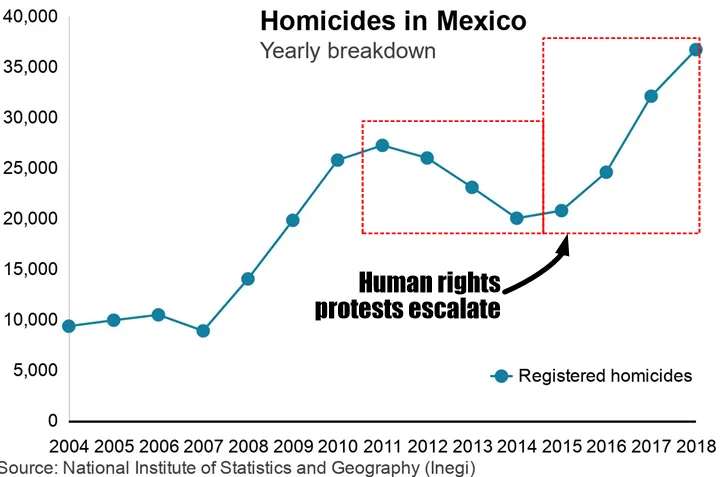
If that was indeed the case, and it certainly looks like it was, we may be looking at an international organized crime playbook that’s used to protect lucrative, tax-free illegal business of organized crime networks from legitimate government efforts to maintain law and order. That’s the exact same template we saw in Minnesota in January of this year.
Organized immigrant crime networks were generating billions of dollars at the expense of American taxpayers. Their crimes were not victimless, but for years, the progressive social justice warriors lay dormant and indifferent. However, when the government moved to crack down on crime networks, all it took were two victims to trigger an avalanche of protests and calls for the government to back down and leave Minnesota.
We’ll revisit this subject again because it seems that a variant of this same template has played out also in Great Britain in relation to their rape gangs that have victimized tens of thousands of English girls over decades and generated billions of pounds in illegal proceeds. Not only, some of those proceeds have been linked to terror financing including the 9/11 attacks in the United States, prompting the Trump administration to revise the special relationship between the U.S. and Great Britain. The fallout from all these developments could add up to epoch-altering developments, so they’re well worth keeping on our radars.