
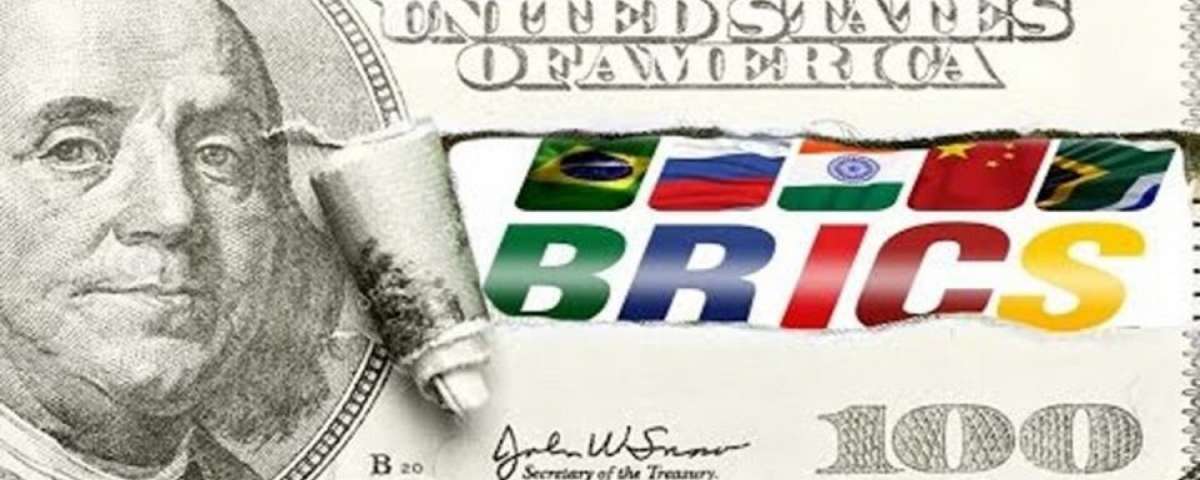
Imagine a world where the US dollar, the bedrock of global finance for nearly a century, is no longer the unchallenged king
Imagine a world where the US dollar, the bedrock of global finance for nearly a century, is no longer the unchallenged king. As of January 11, 2026, this once-unthinkable scenario is becoming a tangible possibility, with the BRICS nations—Brazil, Russia, India, China, and South Africa—orchestrating a bold strategy to dethrone the dollar’s dominance. With Bitcoin trading at a staggering $90,582 amidst geopolitical turbulence, the implications for investors, markets, and the cryptocurrency landscape are profound. What could this mean for your portfolio, and how might it redefine the future of money itself?
This seismic shift isn’t just a distant theory—it’s a movement gaining momentum right now, in January 2026, as BRICS countries leverage their combined economic might, representing over 40% of the world’s population and 25% of global GDP. For everyday investors, this could signal a critical turning point, pushing many to rethink traditional assets and explore alternatives like cryptocurrencies. If you’re looking to stay ahead of the curve, get AI-powered insights to navigate these uncharted waters.
Market Analysis and Key Developments
The global financial landscape is undergoing a dramatic transformation as BRICS nations intensify their efforts to reduce reliance on the US dollar. Recent data shows these countries are not just talking—they’re acting. Trade agreements between China and Russia, for instance, are increasingly settled in yuan and rubles, bypassing the dollar entirely. This de-dollarization push is fueled by a desire to shield their economies from US monetary policies and sanctions, a trend that’s been accelerating since the early 2020s.
As of January 2026, the numbers speak volumes. Bitcoin, often viewed as a hedge against fiat currency volatility, holds steady at $90,582, while privacy coin Monero has surged by 6.24% in just 24 hours, signaling growing interest in decentralized alternatives. Meanwhile, the Fear & Greed Index sits at a cautious 29, reflecting market unease amid these geopolitical undercurrents. These metrics suggest a pivotal moment for global finance, one that could redefine how we think about money.
What’s driving this urgency? The BRICS alliance is exploring a commodity-backed currency, potentially tied to gold or other resources, as a direct competitor to the dollar. If successful, this could fragment the global financial system into competing blocs, with far-reaching effects on trade, investment, and digital assets.
What This Means for Investors
For investors, the BRICS challenge to the US dollar is a double-edged sword. On one hand, it introduces uncertainty into traditional markets heavily tied to the dollar, such as US Treasuries and dollar-denominated assets. A weakened dollar could lead to inflation spikes in the US, eroding purchasing power and pushing investors toward alternative stores of value.
On the other hand, this opens doors to new opportunities. Cryptocurrencies like Bitcoin and Ethereum, which operate outside the control of any single government, could see a surge in demand as safe havens. Privacy-focused coins like Monero, up 6.24% recently, might also gain traction among those wary of centralized financial systems. Curious about how these assets could fit into your strategy? Check the AI analysis for data-driven insights.
Interactive Crypto